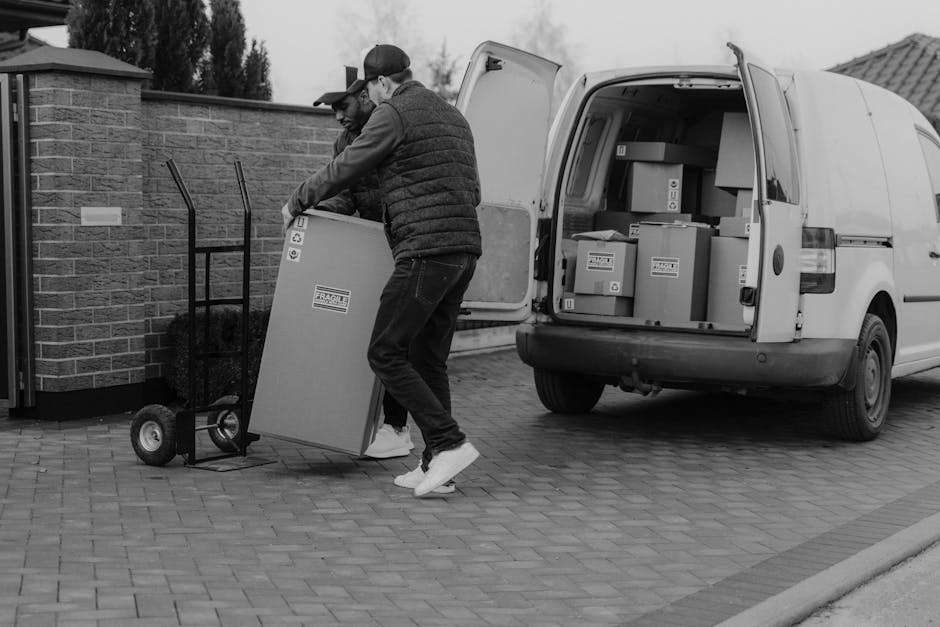
How to move bulky items from Colliers Wood Tower with man and van
If you need to move a sofa, wardrobe, bed frame, white goods, or anything awkwardly heavy from Colliers Wood Tower, the job can feel bigger than it looks. Lift the wrong way, miss a building rule, or turn up with the wrong vehicle, and suddenly a simple move becomes a long, sweaty puzzle. That is exactly where a man and van service earns its keep.
This guide explains how to move bulky items from Colliers Wood Tower with man and van in a way that is practical, realistic, and calm. We will cover how the process works, what to check before moving day, when it makes sense to book help, and the common mistakes that catch people out. If you are trying to shift one heavy item or a small handful of large pieces, this should save you time, stress, and a few headaches.
Table of Contents
- Why this kind of move matters
- How the move works in practice
- Key benefits and practical advantages
- Who this is for and when it makes sense
- Step-by-step guidance
- Expert tips for better results
- Common mistakes to avoid
- Tools, resources and recommendations
- Law, compliance, standards, or best practice
- Options, methods, or comparison table
- Case study or real-world example
- Practical checklist
- Conclusion
- Frequently asked questions
Why How to move bulky items from Colliers Wood Tower with man and van Matters
Moving bulky items is not the same as moving boxes. A mattress, American-style fridge, antique dresser, exercise bike, or corner sofa can block stairways, scratch walls, strain your back, and take longer than expected. In a tower or apartment setting, the challenge grows because you may be dealing with lifts, shared corridors, neighbours, loading restrictions, and awkward turning space. Truth be told, one bulky item can create more friction than a whole room of smaller ones.
In Colliers Wood, that matters because urban moves are rarely spacious or straightforward. Tight access, parking pressure, and busy roads can all make an otherwise simple job feel fiddly. A man and van service is useful here because it bridges the gap between a full removal team and doing it all yourself. You get transport, labour, and a more flexible setup without necessarily booking a large lorry for a small load.
If you are moving out, rearranging furniture, helping a relative, or collecting a big purchase, the real question is not just "can it be moved?" but "can it be moved without damage, delay, or a mini disaster?" That is the difference a good plan makes.
How How to move bulky items from Colliers Wood Tower with man and van Works
A man and van move for bulky items usually follows a fairly simple pattern. You tell the team what needs moving, where it is going, and what access looks like. They then choose the right vehicle size, bring the right number of hands, and handle the lifting and loading. Simple enough on paper. In real life, the details matter.
For Colliers Wood Tower, the main things to think about are access, timing, and item shape. A tall wardrobe may be easy to lift but awkward in a lift. A sofa might be lighter than expected yet impossible to turn in a narrow hallway. A washing machine is short and heavy, which sounds manageable until you remember the stairs and the corners. You get the idea.
The service works best when the move is planned with the actual building in mind. That means checking whether the lift is available, whether parking is close enough for loading, whether any items need dismantling, and whether there are building rules about move times. If there is a concierge or management team involved, it is worth getting clarity early rather than improvising on the day.
Some customers only need a single bulky item transported. Others need a few large pieces moved from one flat to another nearby. For those jobs, a man and van can be the most efficient option because it is flexible and practical rather than overbuilt.
Key Benefits and Practical Advantages
The biggest benefit is probably the simplest one: less strain on you. Bulky items are awkward, and awkward is where injuries and damage tend to happen. A trained pair of hands can manage angles, grip, lifting technique, and loading order far better than most of us do on a stressed Saturday morning with a cup of tea going cold somewhere nearby.
There is also the matter of speed. When the right people arrive with the right vehicle and a sensible plan, the whole process can move quickly. That matters if you are juggling work, building access windows, or a same-day collection from a seller.
Other practical advantages include:
- less risk of scratching floors, walls, and door frames
- better handling of awkward shapes and heavy weights
- more flexible booking for small or medium jobs
- easier transport through local streets and loading points
- a better chance of getting the item moved in one piece, which is underrated until it is not
There is also a peace-of-mind angle. If you are not sure whether an item will fit through a lift, down the stairs, or into the van, experienced movers can usually spot the problem before it becomes a messy surprise. That judgement is worth a lot.
Who This Is For and When It Makes Sense
This service makes sense for anyone dealing with large, heavy, or awkward items in or out of Colliers Wood Tower. That could be a tenant moving out, a homeowner replacing furniture, a landlord clearing a flat, or someone buying second-hand furniture online and needing it moved quickly.
It is especially useful if:
- you only have one to five bulky items, not a whole house load
- the item is too large for a car or small hatchback
- you need help carrying the item up or down stairs
- you live in a tower, apartment block, or limited-access building
- you want a more affordable alternative to a full removals crew
- you need same-day or short-notice collection
On the other hand, if you are moving everything in a large family home, a dedicated removal service may be the better fit. That is not a sales line, just a practical one. Let's face it, a single bulky item and a three-bedroom house move are not the same job.
If your move is broader than one item, it may be worth looking at removal services or even a more structured house removals approach depending on how much needs to go.
Step-by-Step Guidance
If you want the move to go smoothly, do not wing it. A little planning goes a long way, especially in a tower setting where space and timing can be tighter than you think.
1. Measure the item and the route
Start with the obvious: height, width, and depth of the item. Then check doors, lifts, stair turns, corridor widths, and any tight bends. Measure honestly, not generously. People often assume a sofa will "probably" fit, and then everyone stands there staring at a doorway in silence. Not ideal.
2. Confirm building access
Find out whether the lift can be used, whether there are booking rules, and whether move times are restricted. If the tower has loading arrangements or a concierge process, check those in advance. It saves faffing around on the day.
3. Clear the path
Move rugs, loose objects, small tables, lamp stands, and anything else that could snag feet or wheels. You want a clean route from the flat to the vehicle. Even a tidy hallway can feel narrow when you are turning a wardrobe on its side.
4. Protect the item
Use blankets, stretch wrap, corner protection, and straps where needed. If the item has drawers or doors, tape or secure them closed. Nobody wants a chest of drawers opening halfway down a stairwell. That gets old fast.
5. Decide whether dismantling is needed
Some bulky items move better in pieces. Bed frames, modular sofas, shelving, and large wardrobes often become much easier once partially dismantled. If you are unsure, ask the moving team before the day so they know what tools to bring.
6. Book the right vehicle and help
A compact van might be fine for one armchair, but not for a long sofa or multiple large items. Booking the right vehicle avoids multiple trips and keeps things simpler. If your item is especially large, a removal van may be more suitable than a very small vehicle.
7. Prepare payment, contact details, and timing
Have the booking details ready, keep your phone charged, and make sure the mover can reach you if access changes. A small delay can snowball if nobody can get hold of the right person. Happens more than people like to admit.
Once everything is ready, the actual lift-and-load phase should be fairly straightforward. Not always easy, but straightforward.
Expert Tips for Better Results
Here is where a bit of experience pays off. The job gets easier when you think like a mover, not like someone improvising at the door with hope and good intentions.
- Measure twice, book once. If the item is long, wide, or tall, measure the tightest points on the route, not just the room.
- Use a photo for awkward items. A quick photo can help the mover judge whether the item needs two people, dismantling, or extra wrapping.
- Keep hardware in one labelled bag. Screws, bolts, and brackets have a habit of vanishing when you need them most.
- Protect corners first. Corners and edges get knocked before the middle does.
- Check the weather if anything goes outdoors. Rain turns boxes soft, and wet floors are no one's friend at 8am.
- Leave a little buffer time. A ten-minute delay is normal. A rushed job is when mistakes happen.
One small but useful tip: if you are moving a wardrobe or table with glass, take the glass out if possible. It sounds obvious, but in the pressure of the day, obvious things have a way of hiding in plain sight.
For bulkier household items that are being passed on rather than kept, you may also find furniture removals useful if disposal or onward transport is part of the plan.
Common Mistakes to Avoid
The most common mistake is underestimating access. People think the item is the problem, but the route is often the real issue. A sofa may be manageable in the van and impossible on the stairs. Or a fridge may fit the hallway yet not clear a corner because of the handle. Small detail, big headache.
Other mistakes to watch for:
- booking a van without checking item dimensions
- forgetting lift restrictions or concierge procedures
- failing to clear the route before the team arrives
- not securing doors, shelves, or loose parts
- leaving parking until the last minute
- assuming one person can safely move something that really needs two
Another classic error is not telling the mover the full story. If the item is upstairs, oddly shaped, fragile, or partly dismantled, say so. It is much easier to plan honestly than to explain it on the stairwell while everyone is already committed. Bit late then.
Tools, Resources and Recommendations
You do not need a warehouse full of kit, but the right tools make a difference. For bulky-item moves, the essentials usually include moving blankets, straps, gloves, a trolley or sack truck for suitable items, tape, and corner protection. For some jobs, ramp access in the van helps too.
If you are packing smaller related items alongside the bulky piece, proper materials matter. A box that collapses halfway through the job is one of those tiny annoyances that can derail the whole mood. For that reason, it can help to use packing and boxes guidance if your move includes loose belongings or fragile pieces.
Here is a simple recommendation list:
- For heavy furniture: blankets, straps, and gloves
- For appliances: floor protection and a trolley if safe to use
- For delicate pieces: wrap, padding, and firm securing inside the van
- For planning: measurements, photos, and access notes
If you are not sure whether an item should be transported as-is or in parts, ask beforehand. Good movers would rather answer a specific question than guess and cope later.
Law, Compliance, Standards, or Best Practice
For a local move like this, there are usually a few practical compliance points to keep in mind. Building management may have access rules, lift booking requirements, or loading time windows. These vary, so check them in advance rather than assuming you can simply turn up and start carrying.
There is also the basic duty of care around manual handling. In plain English, that means avoiding unsafe lifting, using help where needed, and not pretending your back is made of steel. It is sensible to use the right number of people for the item weight and shape, and to avoid carrying loads that block vision or create a fall risk.
Professional movers should also follow sensible safety and insurance practices. If you want reassurance on that front, a page like insurance and safety can help explain the kind of protection and caution customers should expect.
For customers who care about waste and reuse, there is also a best-practice angle. If a bulky item is being replaced rather than moved onward, think about reuse, donation, or responsible disposal where possible. Recycling and sustainability matters here because not every large item should be treated as simple rubbish.
One more thing: payment terms, cancellation rules, and service expectations should always be clear before booking. No one enjoys ambiguity on moving day. It tends to show up at the worst time.
Options, Methods, or Comparison Table
There are a few ways to move bulky items from a tower block, but they are not equal. Here is a simple comparison to help you decide.
| Method | Best for | Pros | Limitations |
|---|---|---|---|
| DIY with a car | Very small items | Low cost, easy if the item is compact | Usually unsuitable for large furniture or appliances |
| DIY with friends | Moderately heavy items | Flexible, informal, sometimes cheaper | Higher risk of damage or injury if no experience |
| Man and van | One to several bulky items | Balanced cost, labour included, practical for local moves | Needs accurate booking details and access planning |
| Full removals team | Larger household moves | More hands, fuller service, better for bigger loads | Can be more than you need for a small job |
For most people moving one or two bulky items from Colliers Wood Tower, a man and van is the sweet spot. It is not overkill, but it is not underpowered either.
If your move also involves business equipment or a stock shift, then a more specialised commercial moves option may be the better fit, especially where timing and access are tighter.
Case Study or Real-World Example
Here is a realistic example. A resident in Colliers Wood Tower needed to move a three-seater sofa, a mattress, and a small dining table to a nearby flat. On paper, nothing dramatic. In practice, the sofa was just a bit too long for a straightforward lift turn, and the mattress needed to be wrapped before it touched the stairwell walls. The resident had measured the room, but not the corridor bend, which is a very human mistake.
The fix was simple enough. The movers checked the route, angled the sofa carefully, used blankets to protect the corners, and loaded the table last so it would not get crushed. The job was done without wall scuffs or strained backs, and the whole thing felt calm rather than chaotic.
What stands out in cases like this is that the "bulky item" is rarely the only issue. The route, timing, and handling method do most of the real work. Once those are thought through, the move usually becomes much easier than expected.
Another common scenario is a same-day furniture collection. Someone finds a wardrobe online, realises it will not fit in their car, and suddenly needs a fast solution. In those moments, a flexible service such as same day removals can be the difference between a smooth pickup and losing the item altogether.
Practical Checklist
Use this before the moving team arrives. It is the kind of list that saves a morning.
- Measure the item and the narrowest parts of the route
- Check whether the lift can be used
- Confirm parking or loading access
- Tell the mover about stairs, corners, or awkward access
- Clear hallways and doorways
- Remove loose items, shelves, and detachable parts
- Wrap or protect edges, corners, and fragile surfaces
- Label screws, bolts, and fittings in one bag
- Keep your phone charged and accessible
- Have payment and booking details ready
- Make sure someone is available if access changes
- Double-check the destination address and delivery window
If the item is part of a wider flat move, a service like flat removals may be useful when you need a slightly broader moving plan.
Conclusion
Moving bulky items from Colliers Wood Tower does not have to be stressful, but it does need a bit of forethought. The best results usually come from matching the right vehicle, the right amount of labour, and the right preparation to the actual item and building access. That is what makes a man and van service so useful: it stays flexible without cutting corners.
Whether you are moving a sofa, a fridge, a wardrobe, or a couple of large pieces for a local drop-off, the smart approach is to measure carefully, plan the route, and be honest about the awkward bits. A good move is rarely luck. It is mostly preparation, patience, and a bit of practical judgement. And if that sounds like less fun than it should, well, moving rarely wins awards for excitement.
If you want to take the guesswork out of the process, book early, share clear details, and choose the support that fits the job rather than the other way round. That is usually where the calm starts.
Get a free quote today and see how much you can save.
Frequently Asked Questions
Can a man and van move bulky items from Colliers Wood Tower?
Yes, that is exactly the kind of job a man and van service is often used for. It works well for one or several large items, especially when the move involves stairs, lifts, or tight access.
What bulky items are hardest to move in a tower block?
Large wardrobes, sofas, mattresses, fridges, and exercise equipment tend to be the trickiest. The item itself matters, but the route out of the building often matters even more.
Do I need to dismantle furniture before the move?
Not always, but it often helps. Bed frames, modular furniture, and some wardrobes move more safely in pieces. If you are unsure, ask the mover after sharing photos or measurements.
How do I know what size van I need?
The best guide is the size and shape of the items, not just the number of them. A long sofa may need more space than a few smaller pieces. If in doubt, share measurements so the right vehicle can be chosen.
Is it cheaper than hiring a full removals company?
For small to medium bulky-item jobs, it is often more cost-effective because you are not paying for a large team or a bigger move setup you do not need. But the exact cost depends on access, distance, and item type.
What should I tell the mover before booking?
Give the item dimensions, floor level, lift access details, parking information, and whether the item needs dismantling or special wrapping. Honest details help the move go smoothly.
Can movers carry items down stairs safely?
Yes, if the item is suitable and the route is safe. Trained movers use careful lifting techniques and the right number of people. If a stair route is too tight or risky, they may suggest another approach.
What if my building has access restrictions?
That is common in tower blocks. Check with building management or concierge staff ahead of time and pass the rules on to the mover. A booked lift slot or loading window can make a big difference.
Can I book a same-day bulky item move?
Often yes, if the schedule allows. Same-day bookings are especially useful for marketplace purchases, urgent deliveries, or quick clearances. Availability is usually the deciding factor.
How do I protect walls and floors during the move?
Use blankets, corner protection, and clear pathways. Good movers will also take care not to drag items where they should be carried. A little prep goes a long way.
What if the item is too large for the lift?
Then the team may need to use the stairs, dismantle the item, or find an alternative method. This is why checking the route beforehand matters so much.
Is it worth using storage if I am not ready for delivery?
Yes, if timing is messy or your new place is not ready yet. Short-term storage can give you breathing room and stop the move from becoming rushed.