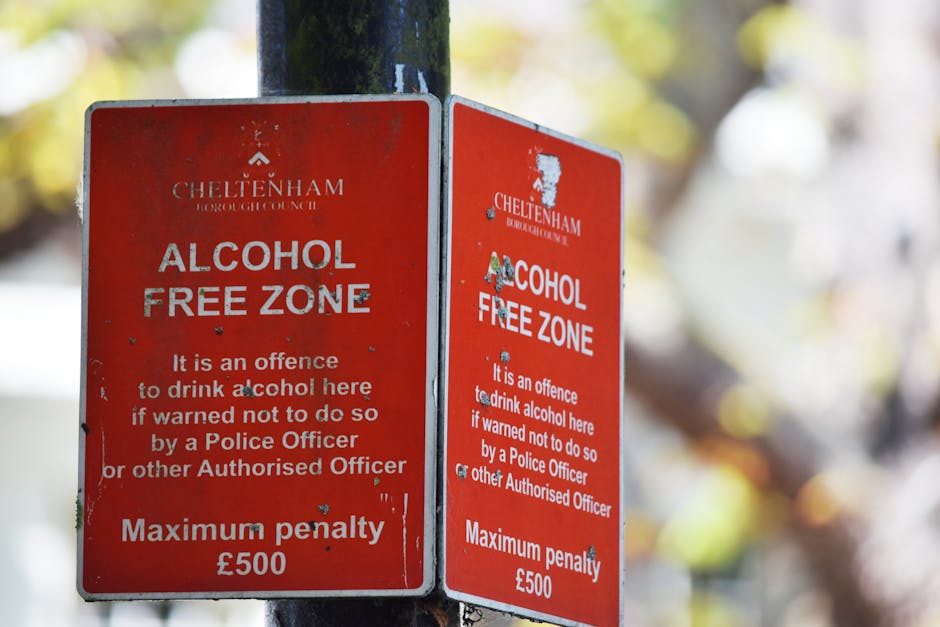
Merton Council removals permits rules for Colliers Wood moves
Moving in Colliers Wood can feel simple on paper and then suddenly turn into a bit of a puzzle. You have boxes stacked by the door, the sofa won't quite fit round the corner, and the van is waiting outside. Then the awkward question lands: do you need a permit, a bay suspension, or just a sensible plan? This guide to Merton Council removals permits rules for Colliers Wood moves walks you through the practical side of moving day so you can avoid fines, delays, and that last-minute panic that nobody enjoys.
Truth be told, most move-day problems are not caused by the packing. They happen outside the front door. Narrow residential streets, controlled parking, shared bays, school-run traffic, and awkward loading spaces can all create trouble if you do not check the local rules early enough. Below, you will find the key things to know, how the process usually works, what to watch for, and how to keep your Colliers Wood move calm and compliant.
Table of Contents
- Why Merton Council removals permits rules for Colliers Wood moves Matters
- How Merton Council removals permits rules for Colliers Wood moves Works
- Key Benefits and Practical Advantages
- Who This Is For and When It Makes Sense
- Step-by-Step Guidance
- Expert Tips for Better Results
- Common Mistakes to Avoid
- Tools, Resources and Recommendations
- Law, Compliance, Standards, or Best Practice
- Options, Methods, or Comparison Table
- Case Study or Real-World Example
- Practical Checklist
- Conclusion
- Frequently Asked Questions
Why Merton Council removals permits rules for Colliers Wood moves Matters
Parking and loading access can make or break a move in Colliers Wood. If the removal van cannot stop where it needs to stop, the whole day starts to slip. A few extra minutes of carrying boxes becomes a few extra hours of carrying boxes, and suddenly the move is more tiring, more expensive, and more stressful than it needed to be.
The rules matter because councils usually control the kerbside space people depend on during a move. In practical terms, that can mean permit-only bays, resident bays, time-limited loading areas, yellow line restrictions, or no-stopping zones. A removal team may be experienced, but they still have to work within the street rules. No one gets to skip the basics just because the wardrobe is heavy.
There is also the risk side of it. If a vehicle is parked where it should not be, the driver may receive a penalty or be forced to move on. That creates unnecessary pressure on the move itself. You may also upset neighbours or block access for other road users. In a busy London suburb, that is the kind of thing that can snowball quickly.
Expert summary: The smartest Colliers Wood moves start with access planning, not box packing. Check the street, confirm where the vehicle can stop, and sort the permit or bay arrangement before moving day. It saves time, reduces stress, and helps the whole job feel organised rather than improvised.
If you are comparing moving support and want a broader service overview, it can also help to look at a trusted local removal services page alongside your planning. And if your move is part of a larger house relocation, the practical setup for house removals usually benefits from the same kind of access thinking.
How Merton Council removals permits rules for Colliers Wood moves Works
The exact arrangements depend on the street and the type of parking controls in place. That is the first thing to understand. There is no one-size-fits-all answer, because one address may have generous loading options while the next street over is tightly controlled. So the process usually starts with a check of the location rather than a guess.
In many real-world moves, there are three common situations:
- Simple kerbside loading: the van can stop legally in an appropriate loading area or unrestricted space for a short period.
- Restricted bay use: you may need permission to suspend, reserve, or temporarily use a parking bay for loading or unloading.
- Higher-restriction streets: yellow lines, limited waiting rules, or busy roads may need special care and may not be suitable for casual stopping.
Because permits and enforcement are local matters, it is wise to work from the actual address and street conditions rather than from assumptions. A move from a ground-floor flat in a quiet side road is very different from a top-floor flat on a busier route where the van cannot sit outside for long. You can almost hear the clock ticking in those situations.
For many people, the easiest way to reduce stress is to align the parking plan with the kind of move being done. A smaller job may be manageable with a flexible vehicle like a man and van, while a larger family relocation may need something closer to a dedicated moving truck. The vehicle choice affects how much space is needed and how long loading may take.
Do not forget the timings. Some streets are calm early in the morning and chaotic later on, especially near school drop-off times or commuter periods. If your removal team arrives and the only safe stopping place is already taken, the move can stall before the first box leaves the hallway. Not ideal, to say the least.
Key Benefits and Practical Advantages
Sorting access properly is not just about avoiding trouble. It has real operational benefits that make the day run better from start to finish.
- Fewer delays: the team can load and unload without hunting for somewhere legal to stop.
- Less carrying distance: this matters more than people think, especially with furniture or stacked boxes.
- Better vehicle planning: the right vehicle and parking setup work together, rather than fighting each other.
- Lower stress: you are not trying to solve a street-access problem while managing the rest of the move.
- Reduced risk of penalties: a compliant setup is simply safer for everyone involved.
- Better neighbour relations: moves feel smoother when access is handled respectfully.
There is also a hidden benefit: a better estimate. When access is clear, it is easier for a removal company to judge how long the job may take and what sort of crew or vehicle is appropriate. That can improve pricing clarity as well. If you are in the early planning stage, a quick look at pricing and quotes can help frame expectations without overcommitting too early.
And if you are moving a smaller household or just a few larger items, a compact vehicle solution like removal van support may be enough. The point is not to overbuy the move. It is to match the access reality to the job in front of you.
Who This Is For and When It Makes Sense
This topic matters for more people than you might expect. Yes, it is obvious for full house removals. But it is also relevant for anyone moving awkward items, splitting loads, or dealing with a property where access is tight.
It makes sense to focus on permits and parking rules if you are:
- moving into or out of a flat on a busy street
- using a larger van or truck that needs space to load safely
- planning an early-morning or timed move
- moving furniture, appliances, or fragile items
- relocating a student room, studio, or shared flat
- handling a commercial move with multiple trips
- storing items temporarily before final delivery
For students, the issue often comes down to narrow streets, short loading windows, and lifts that are far too small for a mattress that has apparently grown overnight. A dedicated student removals approach can make a surprising difference because the job is usually about speed, timing, and efficient access.
If you are moving offices or business stock, access planning matters even more. Commercial items are often heavier, bulkier, or packed in ways that need proper loading time. In those cases, looking at commercial moves or office removals can help you plan around more complex access needs.
Step-by-Step Guidance
Here is a practical way to handle the process without overcomplicating it.
- Check the exact address and street layout.
Look at the front of the property, nearby bays, markings, and any obvious restrictions. A short walk outside can reveal more than three web searches and a guess. - Work out what vehicle will be used.
A compact van, large removal van, or truck changes how much space is needed and whether loading will be awkward. - Identify whether the vehicle can stop legally for loading.
If there is no unrestricted stopping option, you may need a permit, a bay arrangement, or a different loading plan. - Decide how long the vehicle is likely to stay.
A quick few items is one thing; a full flat or house move is another. Time estimates should be realistic, not hopeful. - Ask what the removal provider needs.
A good operator will want the address, access details, item list, floor level, parking situation, and any restrictions. - Book the move with access in mind.
This is where planning pays off. The right vehicle and crew should match the street conditions, not fight them. - Prepare the property before arrival.
Clear corridors, label boxes, protect floors where needed, and keep essentials separate. - Confirm the final loading plan on the day.
A quick check when the van arrives can catch surprises early. Things change. A delivery van may be in the spot you expected, or the street may feel busier than planned.
For packing support, it often helps to combine access planning with proper materials and method. If you need help getting items ready, packing and boxes is a useful starting point, while packing and unpacking services can save a lot of time when the move is tight on schedule.
Expert Tips for Better Results
Over time, the best moves are usually the ones that feel boringly organised. That is a compliment, by the way.
- Do a street check at the same time of day as your move. A road that looks easy at 10 a.m. may be a headache at 8 a.m.
- Keep a backup stopping plan. If the best space is taken, know the second-best option before the van arrives.
- Break down the load by priority. Put essentials and bulky items near the easiest access point.
- Use furniture protection properly. Doorframes and stair edges are the places that catch people out.
- Tell the crew about awkward items early. Pianos, mirrors, sofas with sharp corners, and heavy wardrobes all change the plan.
- Leave room for human error. Someone may be late, a bay may be busy, or traffic may slow things down. A little buffer helps.
For delicate or specialist pieces, the access conversation should be even more careful. A piano removals job, for instance, needs a calm route, secure handling, and a stopping point that makes the carry as short as possible. Same goes for bulky items that you do not want bumped on a tight stairwell.
If your move is small but time-sensitive, same-day support may be worth exploring. In those cases, same-day removals can work well when the access plan is simple and everyone knows exactly what is happening. Quick jobs need clarity. No drama, no wandering around with a kettle in your hands wondering where the van went.
Common Mistakes to Avoid
Most avoidable problems in Colliers Wood come from small assumptions. The kind people make when they are busy, tired, or just trying to get on with it.
- Assuming the van can park outside: this is the classic one. Streets are often tighter than they look.
- Leaving parking checks until the day before: by then, your options may be limited.
- Choosing a vehicle without thinking about the road: a larger vehicle can be efficient, but only if it can access the property safely.
- Forgetting loading time: even a simple move can run long if the lift is slow or the boxes are stacked awkwardly.
- Not warning the movers about restrictions: steps, narrow entrances, height limits, and controlled bays all matter.
- Ignoring neighbour and building rules: some flats and managed properties have their own procedures. Those matter too.
One more thing. People sometimes think a permit is just a formality. It is not. It is there to protect access, reduce disruption, and keep the move legally tidy. A little admin now is better than a messy morning later.
Tools, Resources and Recommendations
You do not need a complicated toolkit, but you do need the right kind of preparation. The following practical tools and checks are genuinely useful.
| Item | Why it helps | Best used for |
|---|---|---|
| Street and bay check | Confirms loading space and restrictions | Every Colliers Wood move |
| Inventory list | Helps size the vehicle and predict loading time | Home, flat, and office moves |
| Labels and colour coding | Makes unloading faster and less chaotic | Family moves and shared properties |
| Protective covers | Reduces damage during short carries | Furniture and fragile items |
| Parking plan notes | Helps the driver and crew stay aligned | Restricted streets |
If you are still comparing service types, a general removal companies page can be helpful for understanding the breadth of support available, while a focused home moves or flat removals option may match your property type more closely.
Storage is another sensible tool when access timing gets messy. If keys are delayed, access windows are awkward, or you are downsizing, short-term storage can take pressure off the schedule. It is not glamorous, but it can rescue a move. Honestly, a lot of people are relieved to have that option.
Law, Compliance, Standards, or Best Practice
Because parking and loading on public roads can involve restrictions, the safest approach is to treat local rules seriously and plan conservatively. The exact permit requirement depends on the road, the control type, and the nature of the activity. If there is any doubt, assume that a check is needed rather than hoping it will be fine on the day.
Good practice usually includes:
- checking local street restrictions before booking the vehicle
- making sure loading and unloading do not create unnecessary obstruction
- following building rules where a managed property is involved
- using a properly insured provider for moving work
- handling items safely and avoiding rushed lifting
Insurance and safe working practice matter here too. A proper removals provider should be able to explain how they manage risk, how they protect property, and what happens if something unexpected comes up. For peace of mind, it is worth reviewing insurance and safety before you book. If you want to understand how the business handles standards internally, the health and safety policy is also a helpful read.
On the customer side, your job is simple: give accurate information. Floor levels, access lifts, parking restrictions, item size, and timing constraints all shape the move. The more honest the brief, the smoother the result. Simple as that, really.
Options, Methods, or Comparison Table
If you are trying to decide how to handle a Colliers Wood move, the practical comparison usually comes down to access, volume, and time pressure.
| Move option | Best for | Access needs | Notes |
|---|---|---|---|
| Man and van | Small to medium moves, single loads, flexible jobs | Lower to moderate | Good when the street is tight and the load is manageable |
| Removal van | Typical household items, flats, short-distance moves | Moderate | Often a practical middle ground for local moves |
| Moving truck | Larger homes, multiple rooms, heavier loads | Higher | Efficient for volume, but access must be planned carefully |
| Full removal service | Busy households, complex timing, higher-value belongings | Varies | Best when you want fewer moving parts and more support |
The best choice is rarely the biggest vehicle. It is the one that fits the street, the contents, and the schedule. That sounds obvious, but people still get it wrong. Often. The photo in their head is of everything going in one trip, when the road outside is quietly saying otherwise.
Case Study or Real-World Example
Picture a typical Colliers Wood move on a slightly damp Saturday morning. A couple is leaving a second-floor flat with a sofa, a bed frame, several boxes of kitchenware, and a few fragile bits that should really not be treated like footballs. The street has controlled parking, and the front space is already partly occupied.
Instead of turning up and hoping for the best, they check access the day before, confirm the likely stopping point, and brief the removal team on the floor level and the awkward stair turn. The vehicle is sized sensibly, and the biggest items are loaded first so the team does not waste time shuffling boxes around after the fact.
The move is not magically effortless. It is still a move. There are a few stairs, a bit of rain, and one box that announces itself by tipping over at the wrong moment. But because the access plan is sorted, nothing becomes a major problem. The van stops where it should, the carry is short, and the whole job finishes in a tidy, manageable way.
That is the real point here. Permits and parking rules are not admin for admin's sake. They are part of making the move feel controlled instead of chaotic.
Practical Checklist
Use this before moving day. It will save you from the usual scramble.
- Confirm the full address and property type
- Check whether the street has loading or parking restrictions
- Identify the best legal stopping point for the vehicle
- Decide whether a permit, bay arrangement, or access permission is needed
- Choose the right vehicle size for the load
- Tell the removals provider about stairs, lifts, and tight entrances
- Label boxes by room and priority
- Set aside essentials for the first night
- Protect furniture and fragile items properly
- Build in extra time for traffic, access delays, or building rules
- Check insurance and safety arrangements
- Keep contact details handy on the day
If your move also involves discard items or old furniture, it can help to separate those tasks early. You might want to arrange furniture removals for unwanted pieces or furniture pick up if you are clearing bulky items before the main move. That keeps the move load cleaner and simpler.
Get a free quote today and see how much you can save.
Conclusion
Merton Council removals permits rules for Colliers Wood moves are really about one thing: making sure the vehicle, the street, and the moving plan all work together. Get that part right and the rest of the day feels much easier. Ignore it, and even a straightforward move can become oddly exhausting.
The key is to start early, look closely at the actual street conditions, and choose a moving setup that matches the property rather than forcing the property to fit the move. That is the kind of thinking that keeps people calm on moving day. And to be fair, calm is underrated.
Whether you are moving a flat, a family home, an office, or just a few bulky items, the same principle applies: plan the access, protect the load, and leave room for a little real-life messiness. The move will thank you for it.
Frequently Asked Questions
Do I always need a permit for a move in Colliers Wood?
Not always. It depends on the street, the parking restrictions, and where the vehicle can legally stop. Some moves can be done with straightforward loading access, while others need more formal parking arrangements.
How early should I check the parking rules?
As early as possible. Ideally, you should check before booking the move so the vehicle size, timing, and access plan all fit together. Leaving it until the last minute can narrow your options.
What happens if the van cannot park outside the property?
The crew may need to use a nearby legal stopping point, which can add carrying time and effort. In some cases, a different vehicle or a revised access plan is the better choice.
Are bay suspensions and permits the same thing?
Not necessarily. They can be different arrangements depending on the street and the situation. The important thing is to use the correct local access solution for the property and the road conditions.
Does a flat move need the same planning as a house move?
Yes, sometimes more. Flats often have tighter access, shared entrances, lifts, stairwells, and more limited stopping space. That is where small mistakes tend to become big delays.
Can a man and van job still need parking planning?
Absolutely. A smaller vehicle does not remove the need to park legally or load safely. It may be easier to place, but the street rules still matter.
What if I am moving on a busy weekday morning?
Plan for traffic and limited stopping options. Busy times can make loading slower, so build in more time and check whether a better time of day would reduce stress.
Is storage useful if my access dates do not line up?
Yes. Storage can bridge a gap between leaving one place and getting into the next, especially if keys, building access, or parking restrictions complicate the schedule.
How do I know what vehicle size to choose?
Start with the amount of furniture and boxes, then add the access conditions. A larger vehicle may reduce trips, but only if the street and stopping point can support it properly.
Should I mention stairs, lifts, and narrow hallways before booking?
Definitely. Those details affect loading time, crew size, and handling method. A short staircase can be more awkward than a long one if it has tight corners, so it is worth telling the whole story upfront.
What if I only need to move one or two bulky items?
Then the access question still matters. One sofa or a heavy cupboard can be just as tricky as a full load if the van cannot stop close enough. In those cases, careful planning is still worthwhile.
Where can I find more information about the company's working standards?
You can look at the pages covering about us, terms and conditions, and the recycling and sustainability approach. Those pages help build a clearer picture of how the business works and what you can expect.
What is the simplest way to avoid move-day stress?
Check access early, choose the right vehicle, pack with purpose, and keep the schedule realistic. That simple combination prevents most of the avoidable headaches. The rest is just normal moving-day life, which is rarely glamorous but usually manageable.